Designing for the Brain: Neuroaesthetics in the Workplace
In the modern workplace, employee well-being and productivity have become top priorities for many organizations. Companies are beginning to recognize that the workplace environment directly impacts how people think, feel and perform. This is where neuroaesthetics in the workplace come into play.
Neuroaesthetics, the study of how one’s brain responds to design and sensory experiences, demonstrates that intentional workplace design choices, like color, texture, form, and spatial layout, can significantly improve employee well-being, engagement, and overall office productivity. By designing with the brain in mind, organizations can create spaces that not only look good, but actively support performance and satisfaction.
Color Influences Emotion, Creativity and Behavior
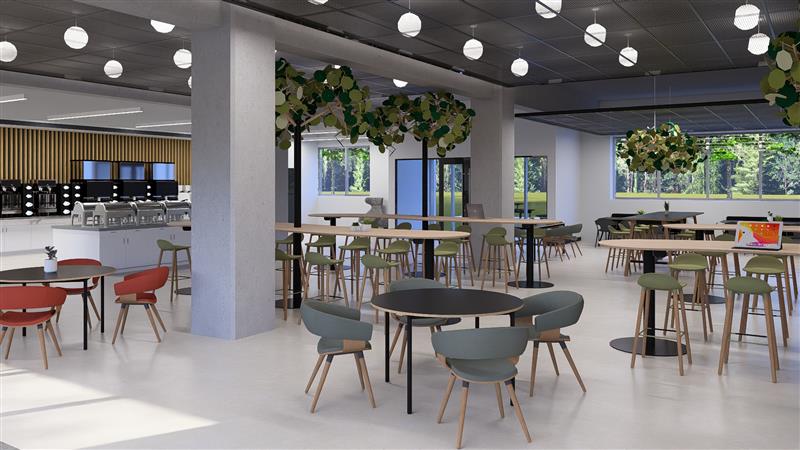
In the workplace, color can be found in many forms, from the paint on the walls to furniture, décor, and artwork throughout the office. As a key element of interior design and workplace strategy, color influences how people feel and respond to their environment, making it important to choose color palettes with intention.
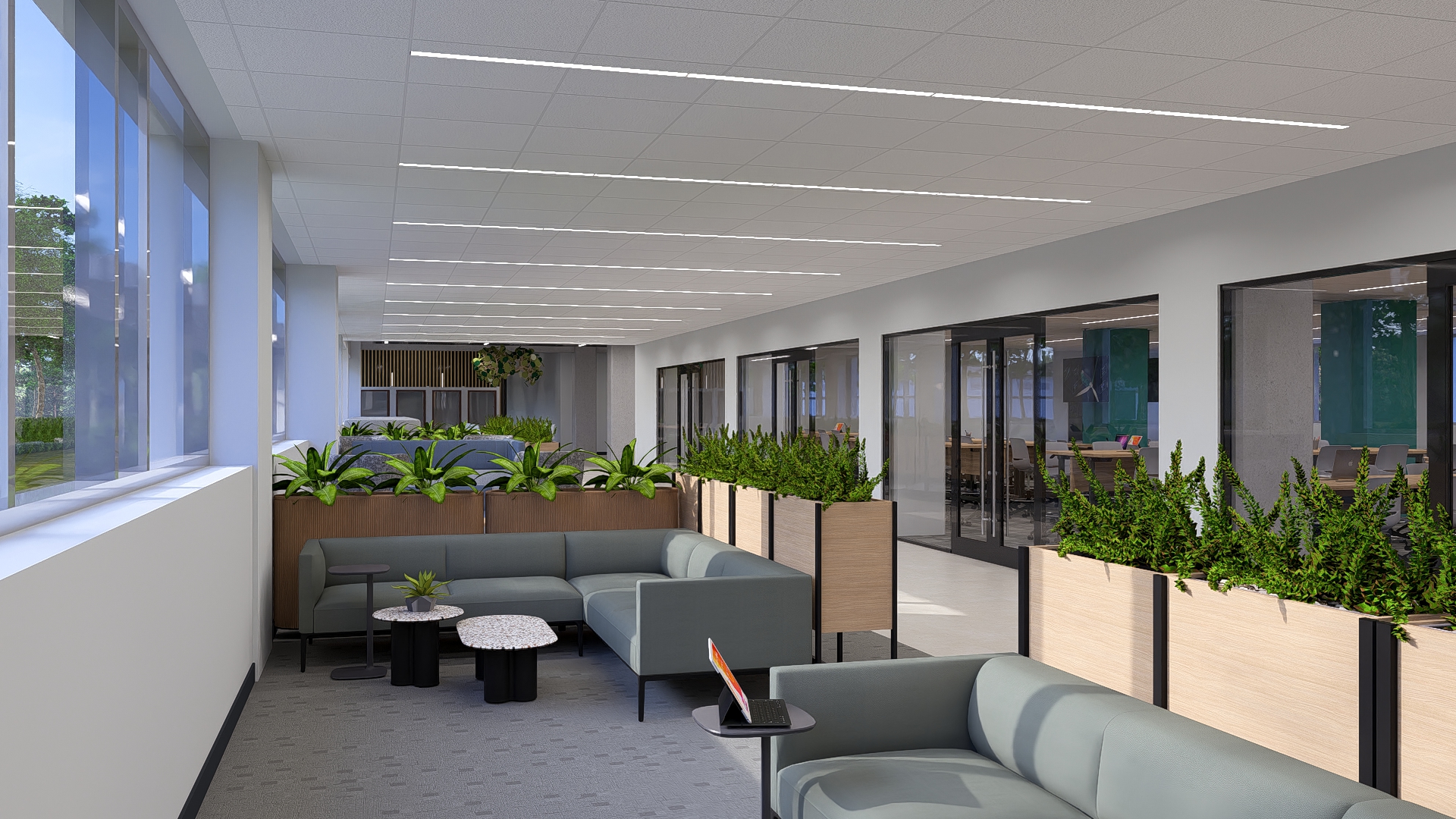
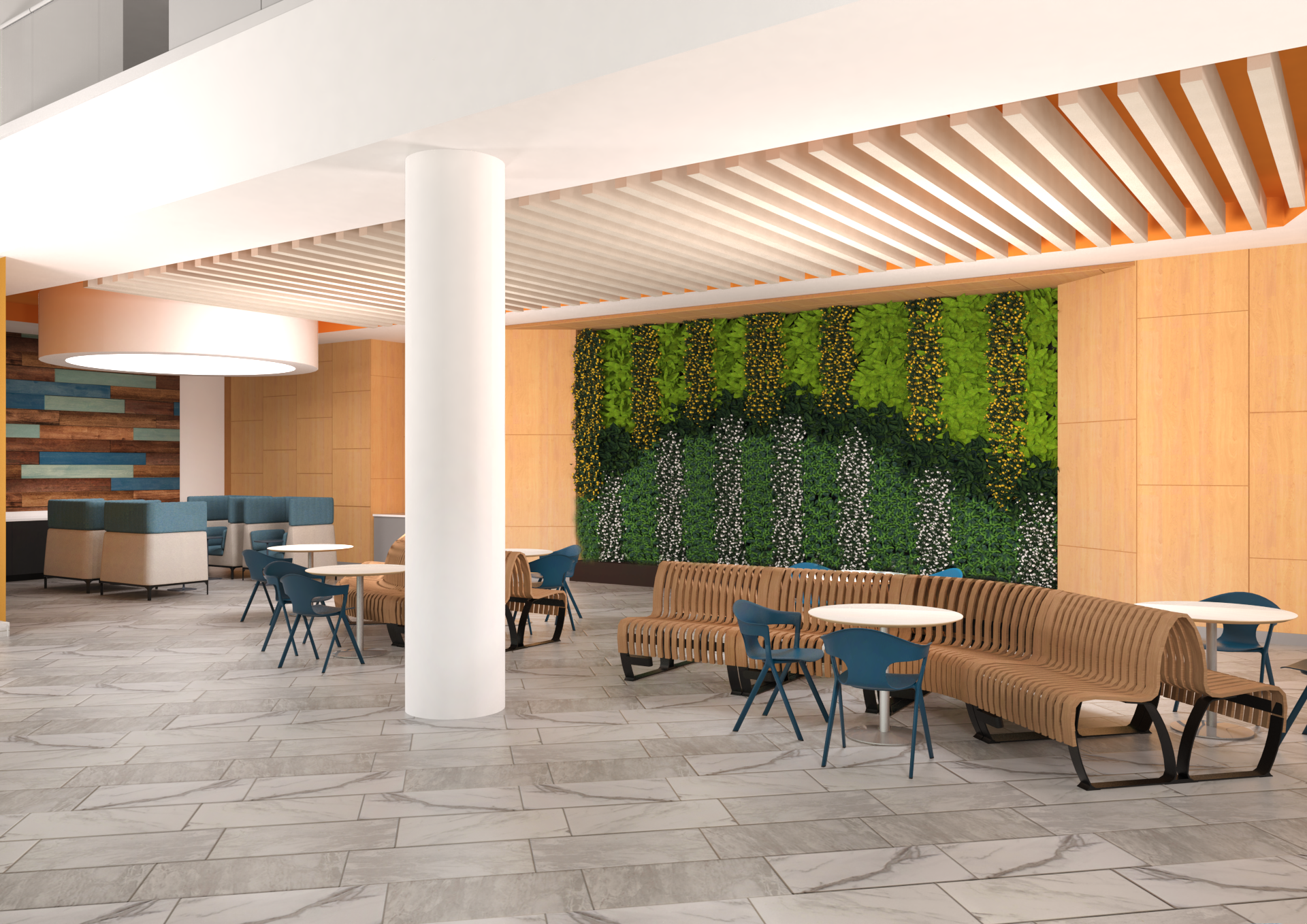
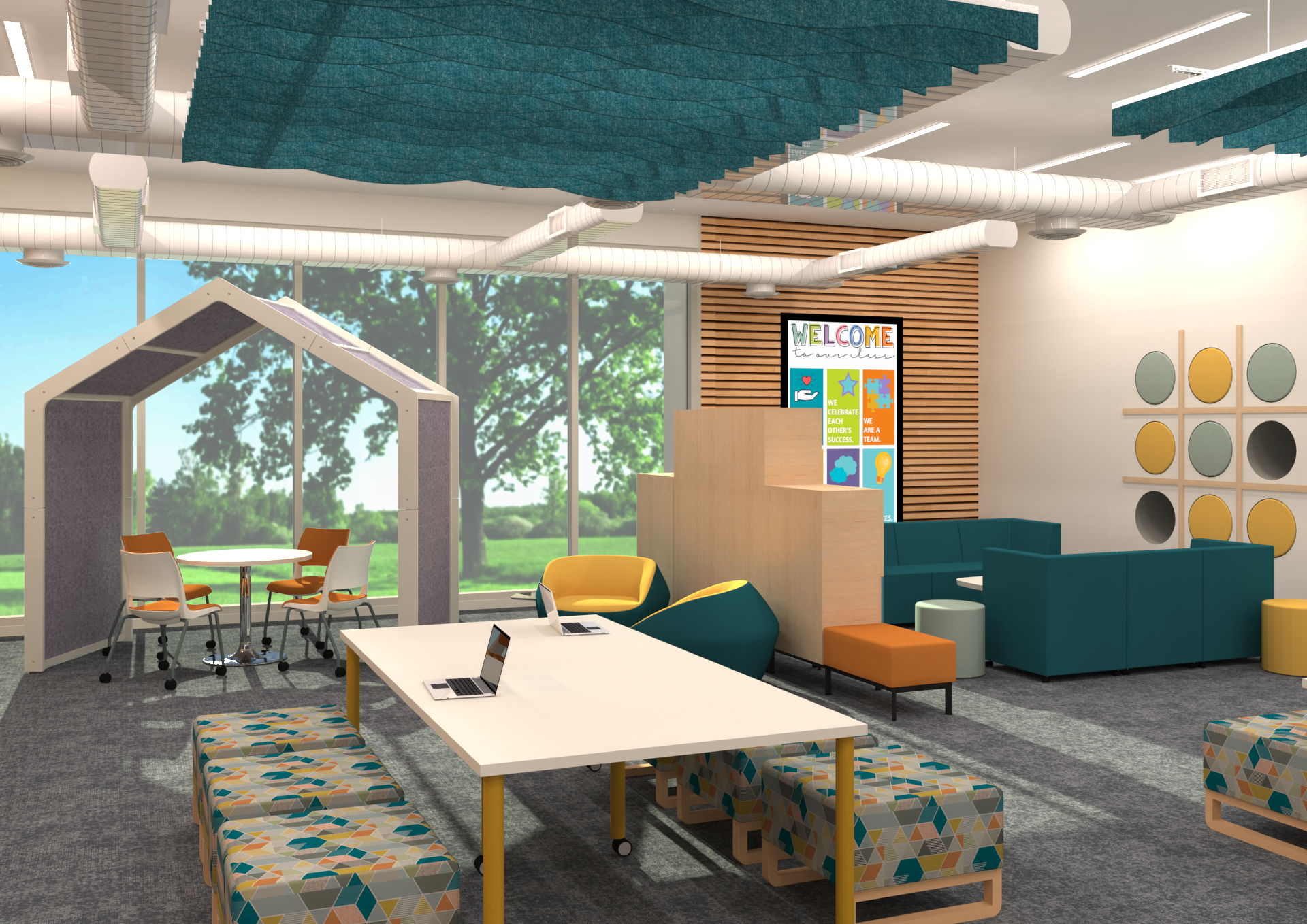
Blue promotes concentration and mental clarity, making it especially effective in focus areas like quiet zones, libraries, or individual work pods. Green evokes a calming effect and can improve mood by reducing anxiety and eye strain, which is why it is often used in biophilic workplace design to create a more relaxed atmosphere in lounge areas, zen dens or around workstations. Yellow and orange help boost creativity and are well-suited for collaborative workspaces and brainstorming zones. Red brings out energy in a space, but it should be used sparingly to avoid overstimulation.
Texture and Form Shape the Sensory Experience of the Workplace
Within neuroaesthetics, the concept of sensory balance (sometimes referred to as sensory budgeting) highlights how every design element either taxes or supports the brain. In modern workplace design, thoughtful choices around texture and form can help regulate stimulation and prevent sensory overload.
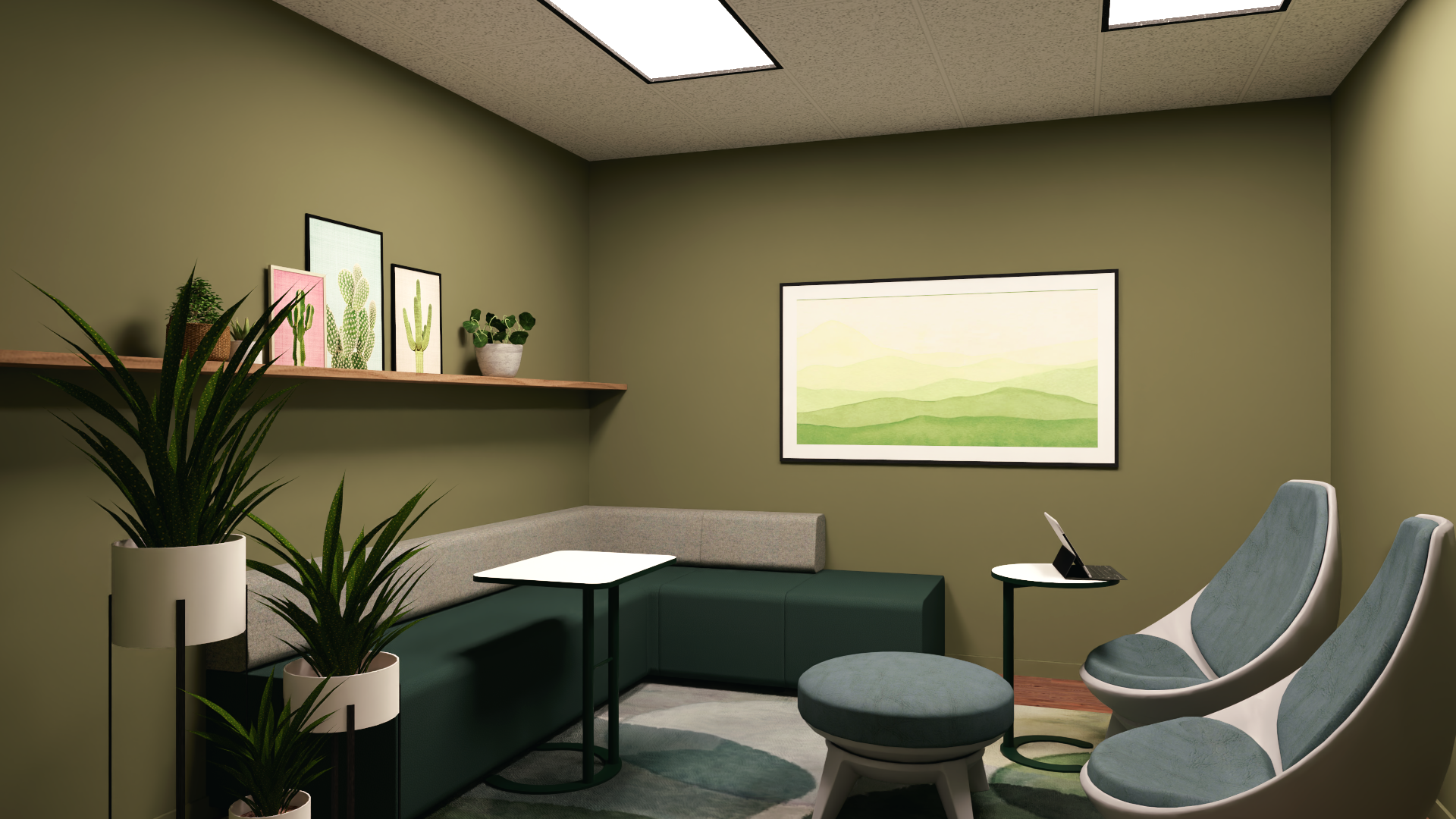
Soft, smooth surfaces and textured walls can create a sense of comfort and relaxation, while natural materials like wood, cork, linen and stone reinforce biophilic design principles and help make a space feel warm and welcoming.
At the same time, the forms used within a space influence how people interact with it. Soft curves and organic shapes tend to trigger comfort and ease, while more angular, structured forms can promote alertness and focus. Together, texture and form work to create a balanced sensory environment that supports both comfort and engagement in the workplace.
Spaces that Support Different Types of Work
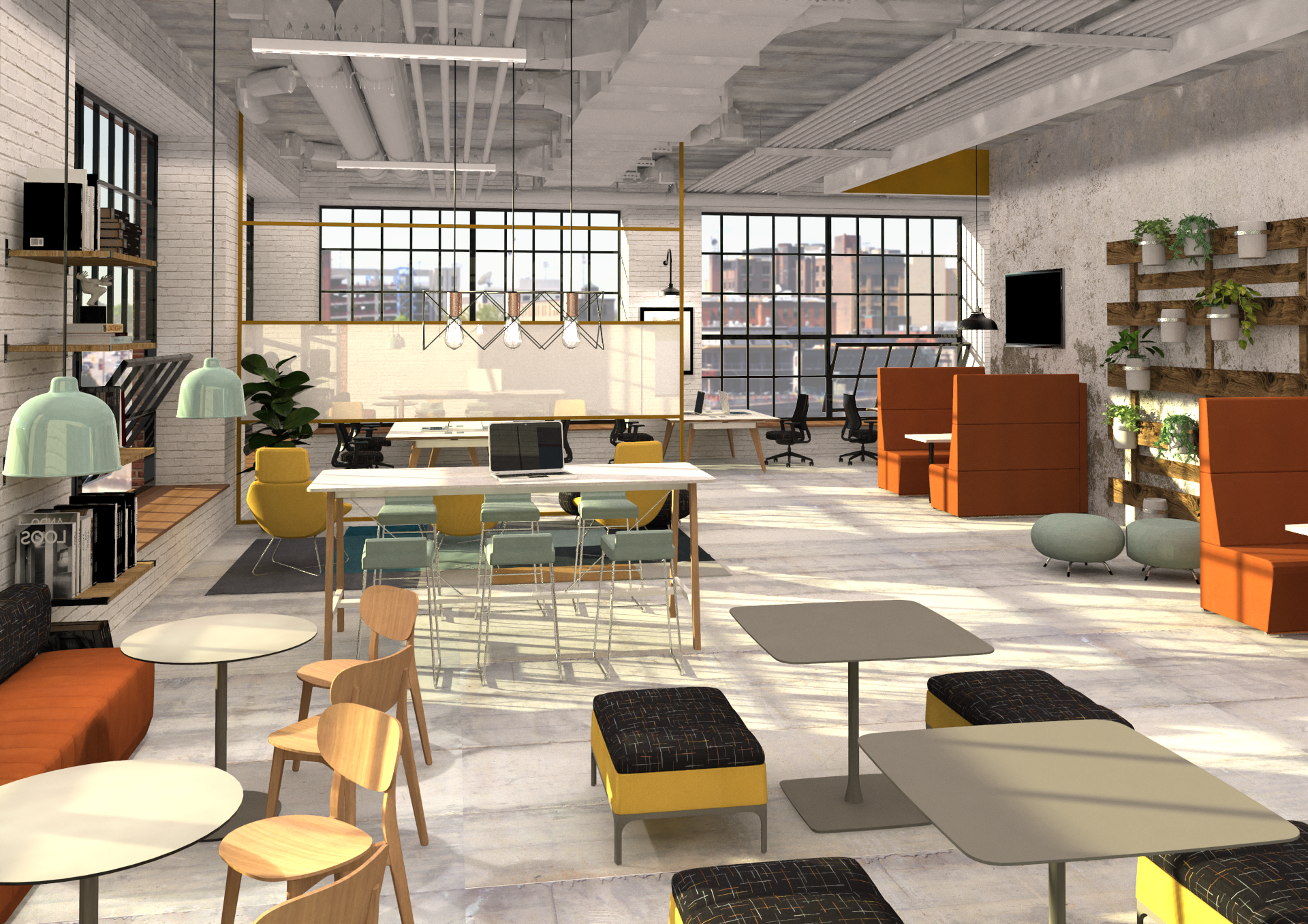
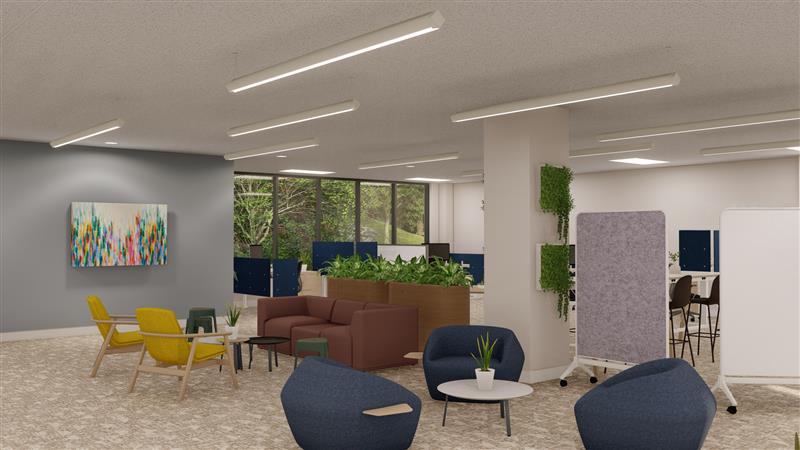
Spatial layout plays a crucial role in how people think, move and collaborate in the workplace. Workplace planning and office layout design impact movement, focus, and teamwork, while more open, free-flowing environments can encourage creativity and flexible thinking.
Research shows that the brain naturally shifts between deep focus, creativity and collaboration, making it important for flexible work environments to support all types of work. Incorporating quiet zones can help associates recharge throughout the day, while a designated war room can support collaboration, strategy and problem solving.
Spatial boundaries created through lighting changes, furniture, and material transitions can help our brains shift between tasks more effectively, allowing associates to move between different types of work with greater ease and productivity.
.jpg)
Designing for the Brain Supports Workplace Well-Being
The concept of neuroaesthetics is important to consider when designing or redesigning a workspace. As companies continue to prioritize employee well-being in the workplace, the role of the physical environment plays a critical part in supporting how people think, feel and perform. Color, texture, form and spatial layout all work together to create sensory experiences in workplace design, each influencing how associates interact with their surroundings.
Designing spaces that consider how the brain responds to the environment can better support the people who use them, ultimately leading to a more productive, functional, and high-performing workplace.
Interested in bringing neuroaesthetics to life in your own space? Let’s connect!

.jpg)