Why Architectural Walls Matter in Healthcare Design
Healthcare environments are constantly changing, and their spaces need to keep pace. With modular walls, healthcare environments can build and reconfigure spaces that support privacy, acoustics, cleanliness, and durability while offering customization and flexibility.
1. Privacy + Acoustics
Privacy in healthcare isn’t just about what you can see, but also about what you can hear. Spaces within these environments are often where patients and families have very sensitive, confidential conversations, and they expect others not to be able to hear them. Privacy and acoustics go hand in hand in healthcare environments, helping create spaces that respect and protect patients.
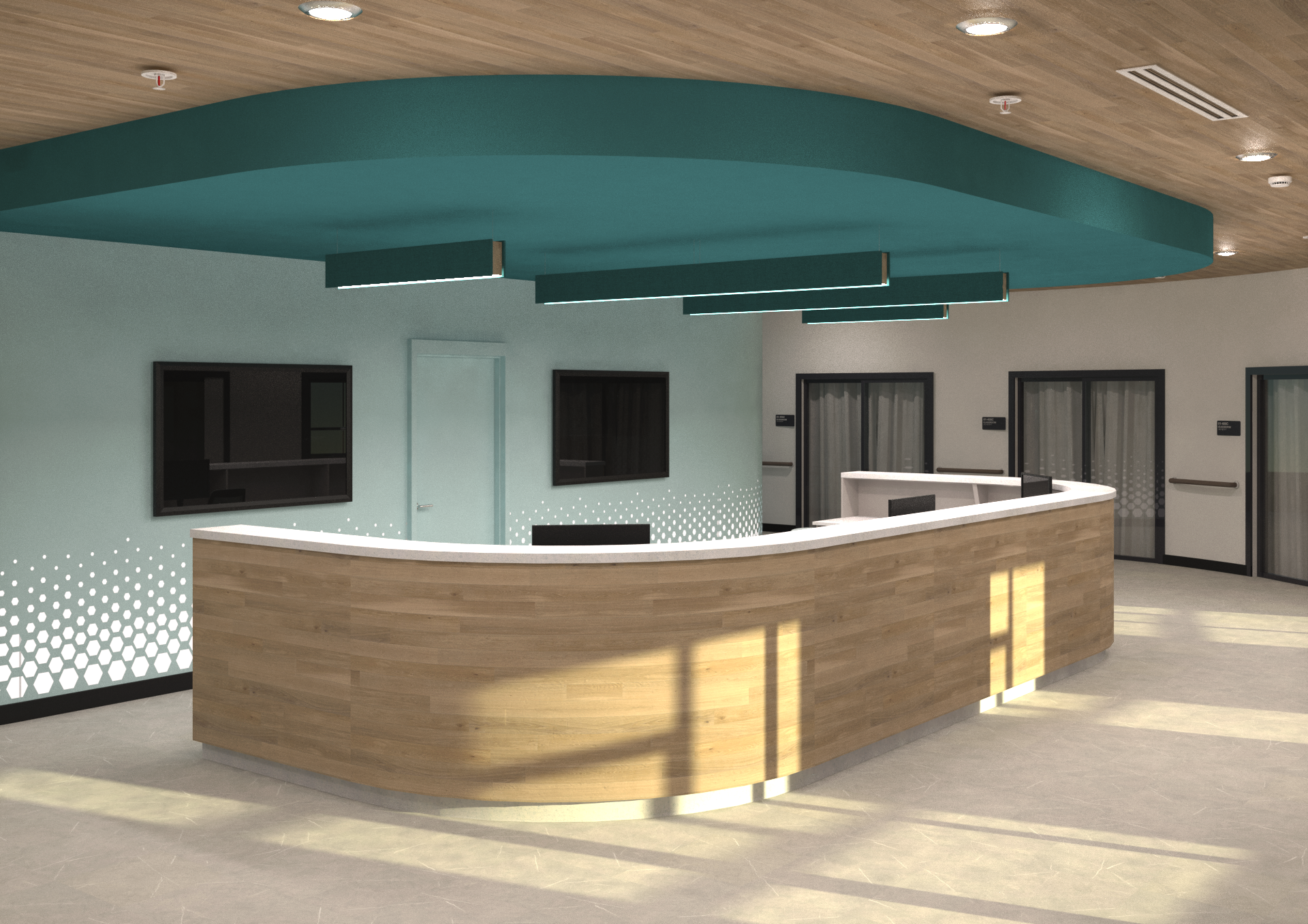
Different healthcare spaces require different levels of privacy. Patient rooms support rest, recovery, and important conversations. Exam and treatment rooms require privacy for patient-provider interactions. Nurse stations balance visibility and communication, while administrative spaces need quieter environments for focused work and discussions.
Architectural walls like KI Wall’s Evoke and Genius can help create a strong level of privacy, especially in areas where acoustic performance and confidentiality are crucial.
2. Durability + Cleanability
Walls in healthcare facilities need to withstand constant use and intense cleaning. Walls are exposed to continuous movement from staff, patients, and equipment, so having something durable that can't be knocked over when bumped is very important to consider.
Within healthcare facilities, frequent and rigorous cleaning is necessary due to constant room turnover. Wall materials and finishes can play an important role in supporting cleaning and infection-control protocols. Architectural wall systems can also help minimize dust and debris during installation and reconfiguration compared to traditional wall construction, helping reduce disruption in healthcare environments. KI Wall’s powdercoated steel shells are bleach- cleanable and designed to withstand frequent cleaning. For spaces that durability is a necessity, Genius features a steel wall system designed to support the long-term needs of healthcare facilities.
3. Adaptability
Spaces within healthcare facilities need to remain flexible and easily adaptable. Healthcare environments are constantly changing and evolving, and the layouts inside should be able to as well.
One of the key benefits of modular walls are their ability to move, reconfigure, and adapt. Whether a facility needs to add patient rooms, modify administrative spaces, add new treatment areas, or change workflows, modular wall systems can help ease these changes within an already existing facility.
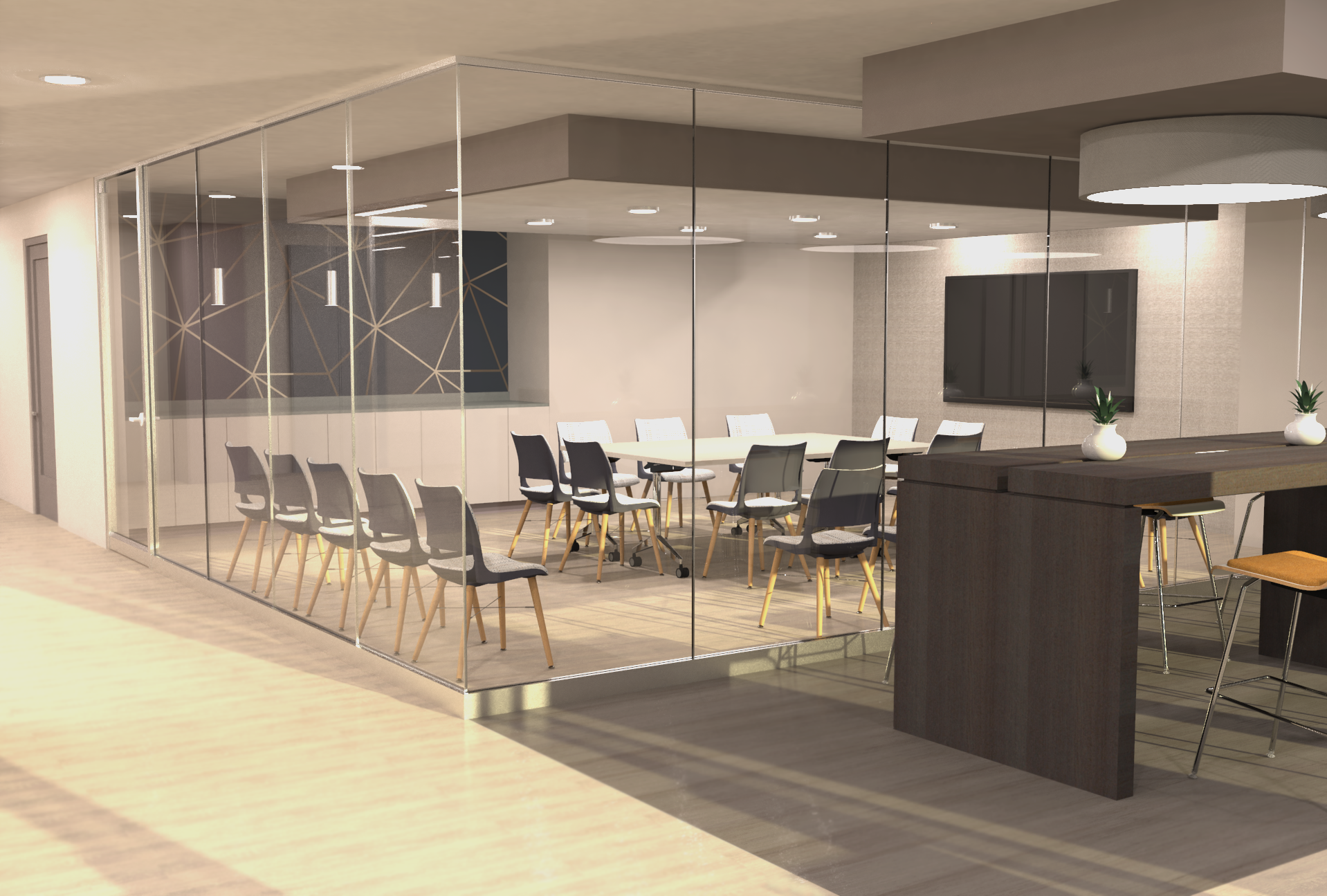
Systems like Genius and Evoke can be reconfigured as needs change, while Lightline helps maintain openness and bring daylight into a space, creating environments that feel warm and comfortable.
Architectural wall systems offer more than separation between rooms. They support privacy, acoustics, cleanliness, durability, and adaptability to the ever-changing demands of healthcare environments. As these facilities evolve, architectural walls can help these spaces adapt to new needs while maximizing the functionality of existing areas. Most importantly, healthcare environments should support a patient's comfort and well-being. From creating private spaces to bringing natural light into care environments, architectural walls help create welcoming, supportive spaces that meet the changing needs of healthcare facilities.