Classroom Design for Every Mind: Neurodiversity and Inclusive Learning Environments
.jpg)
Before a lesson begins, before a question is asked, before a student raises a hand, the environment has already begun to teach. Light filters through a window. A chair invites movement or restricts it. The arrangement of a room quietly shapes where attention settles, where conversations emerge, and whether a student feels a sense of belonging. Though often overlooked, the spaces we learn in leave lasting impressions, influencing not only how we engage with information, but how we experience learning itself in inclusive learning environments.
Recent research published in Frontiers in Education, titled "Designing Sensory Inclusive Study Spaces: Comparing Environmental Preferences and Barriers for Neurodivergent and Neurotypical University Students," highlights an important reality: learning is not confined to curriculum, instruction, or intent. It is shaped by space itself.
The study suggests that elements such as light, layout, materials, and opportunities for movement can meaningfully influence how both neurotypical and neurodivergent university students experience focus, engagement, and connection within learning environments.

Moving Beyond One-Size-Fits-All Learning Spaces
However, many learning spaces still assume uniformity, often providing fixed environments designed for minds that are anything but fixed. The research highlights how physical environments can influence cognition, creativity, and participation, and suggests that variability in design is not disruptive, but essential, to supporting diverse learning needs in flexible learning environments.
For neurodivergent learners in particular (students who may experience sensory input, focus, and interaction differently), space can either support engagement or create barriers. What emerges is a simple but powerful insight: when environments are rigid, they can unintentionally exclude. When they are responsive, they create opportunities for a broader range of learners to thrive.
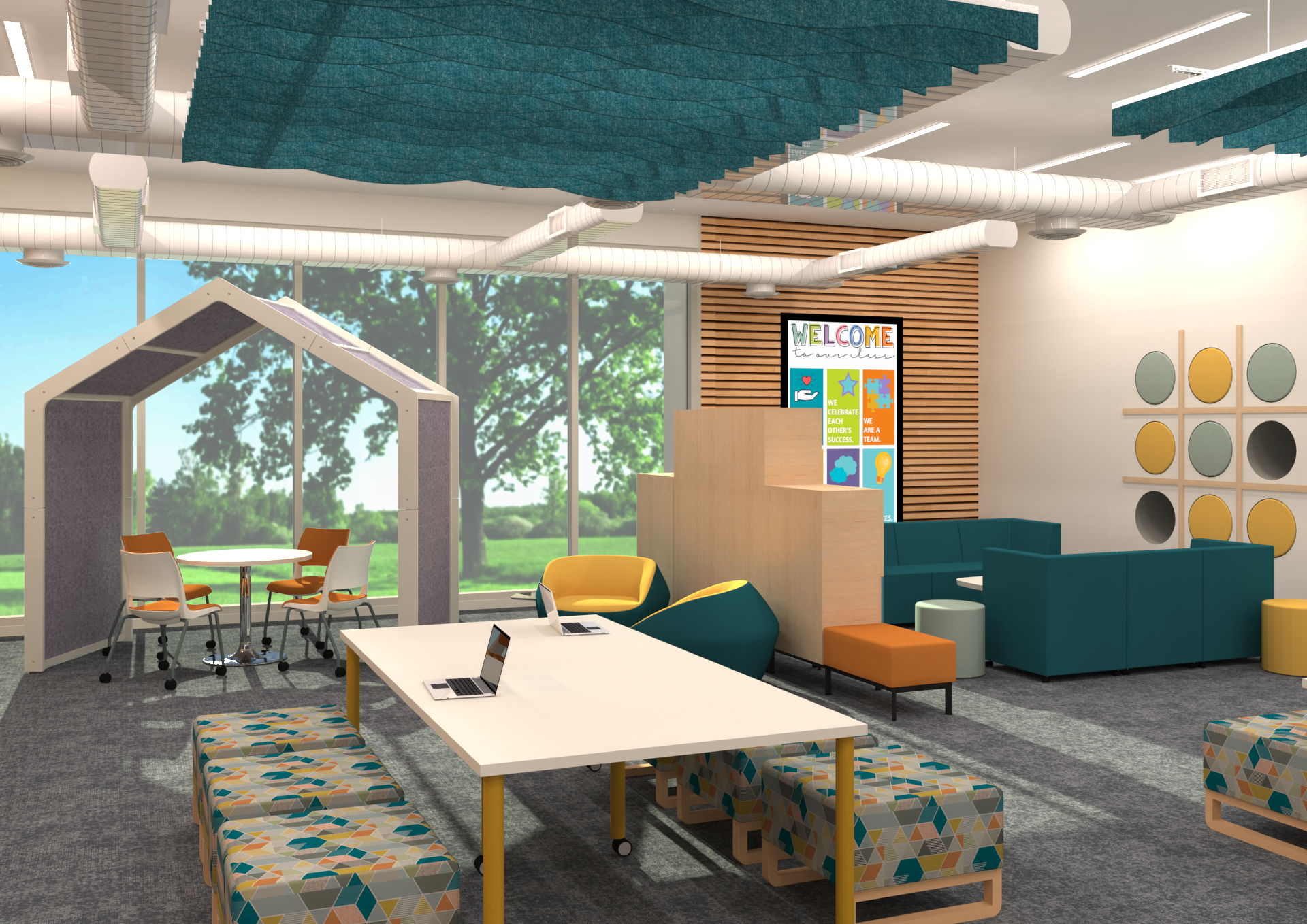
Among the study's key observations is the value of environments that support multiple learning modes, from individual focus and collaboration to quiet reflection. Participants expressed preferences for spaces that offered flexibility and choice, reinforcing the idea that learning is not a single posture or pathway. It is often a movement between different modes, moments, and needs. This understanding shifts inclusive classroom design toward spaces shaped not around a single use, but around a range of student experiences.

According to the study,
"We and others have demonstrated the students' preference for universities to provide private and quiet zones supporting focused work, combined with collaborative spaces with acoustic zoning to minimize noise spillover and flexible seating such as bean bags, lounge chairs and adjustable furniture to accommodate different sensory and physical needs."
What emerges are environments centered on the learner, where focus does not require isolation, collaboration does not become overwhelming, and transitions between the two can happen naturally. These are not spaces that dictate behavior, but spaces that respond to individual needs, supporting the rhythms of attention, rest, and interaction as they unfold throughout the day in student-centered learning environments.
Translating Research Into Learning Environment Design
This philosophy becomes tangible through furnishings and spatial solutions. When environments are responsive in both material and spatial design, they can positively influence engagement, comfort, and inclusion within inclusive learning environments. The materials, furnishings, and spatial configurations we choose are where philosophy becomes practice- where students either feel fully supported or quietly left out.
Examples of spaces that align with these design principles include KI Furniture's Ruckus seating collection, which supports movement and posture variation, allowing students to adjust their physical position throughout the day in active learning environments. In doing so, it acknowledges a simple but important reality: students engage with their environments in different ways, and flexibility can be a powerful tool for supporting focus, comfort, and participation.

The theme of flexibility flows further throughout the study, highlighting:
"All participants agreed that quiet library cubicles and individual study rooms were among the most effective environments for concentration, alongside flexible seating arrangements such as bean bags and lounge chairs. Notably, neurodivergent students emphasized the importance of having access to a variety of study environments, including private and collaborative spaces, to support their learning needs."
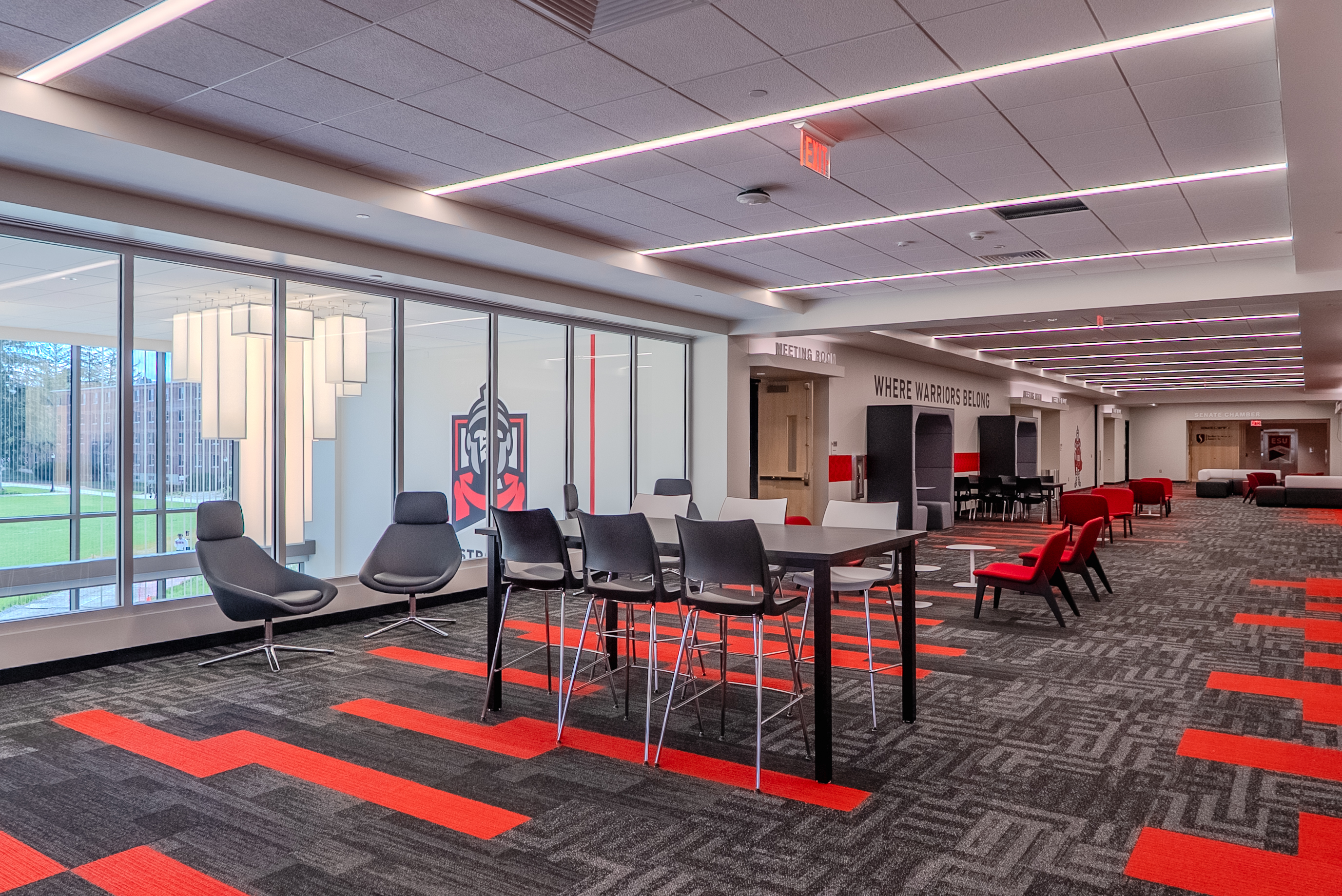
To support this variety, collections such as Jinx, Mote, Kin, Famiglia, Open, and Mayze from Allermuir provide a range of solutions for flexible educational interiors, supporting focus, collaboration, comfort, and personal choice within learning environments. By providing varying levels of enclosure, social engagement, and sensory stimulation, these furnishings help create learning environments that are responsive to the diverse ways students process information, interact with others, and engage with their surroundings.
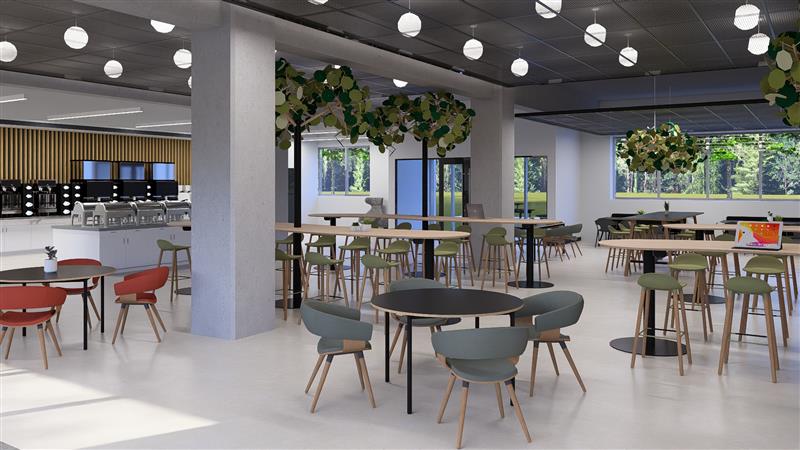
Additionally, students in the study consistently gravitated toward environments that felt connected to nature, reflecting the growing body of research surrounding biophilic design in educational environments.
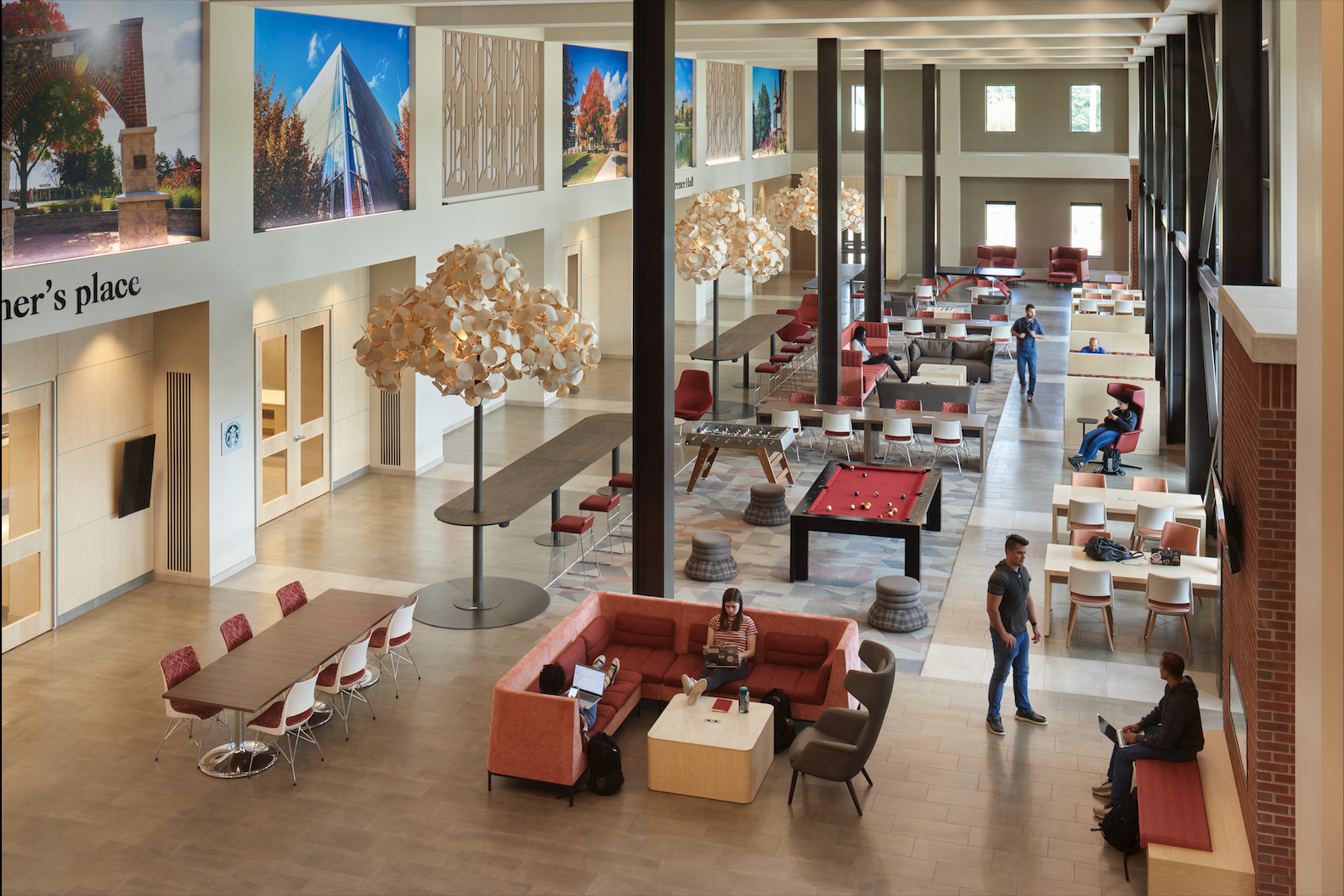
These nature-inspired preferences align with findings that suggest natural forms, materials, and visual references can support comfort, reduce stress, and enhance focus in learning environments. In practice, this can be seen in solutions such as Green Furniture Concept’s sculptural seating landscapes, which draw on organic shapes and naturalistic design language to introduce a more restorative quality into inclusive learning environments. Rather than feeling highly institutional, these spaces feel softer, more human-centered, and more supportive of wellbeing.
Designing for Belonging in Inclusive Classroom Design
These options are much more than furniture alone. They represent opportunities for choice, clarity, and inclusion within learning environments.
The research also reinforces a point that carries significant weight for educators, designers, and administrators alike: learning environments are rarely neutral. Design decisions can either support inclusion or create unintended barriers. This is where design becomes a responsibility. When flexibility, sensory awareness, and choice are intentionally embedded into a space, the environment itself can become a powerful tool for equity and belonging within inclusive classroom design.
A note worth making: while this research focused on university students, its implications reach further. The design principles uncovered in the study translate meaningfully across every level of education, from elementary classrooms to graduate seminars.
At its best, inclusive classroom design does not seek to standardize the learning experience; it expands it. In doing so, these spaces create learning environments where neurotypical and neurodivergent students alike are not asked to adapt to the space, but instead are supported by spaces designed to adapt to them.