Beyond the Screen: How Engaging K–12 Spaces Draw Students Back to the Classroom
In Pennsylvania, a quiet shift is reshaping K–12 education. As of the 2023–2024 school year, nearly 60,000 students (about 4% of all learners statewide) were enrolled full-time in public cyber charter schools, a number that has remained steady in recent years according to the Pennsylvania Department of Education. Cyber enrollment has grown by nearly 60% since pre-pandemic levels, as noted by the Pennsylvania Charter Performance Center, signaling not a temporary adjustment, but a lasting evolution in how students access education. For district leaders, this is not simply a question of attendance; it is a question of value: what makes the in-person classroom meaningful enough for students to return...and to stay.
The answer begins with understanding how expectations have changed. When learning moved home, students experienced a new kind of autonomy - control over their pace, their environment, and the rhythm of their day. For many, that flexibility reshaped what school could feel like. Even as buildings reopened, those expectations remained. Families recognized that learning can happen in multiple ways, and for some, cyber education continues to be the right fit. Yet this shift also clarified something essential: if students now have options, the physical classroom must offer something distinct. The learning space must provide not just instruction, but an experience - one rooted in connection, engagement, and a sense of purpose.
.jpg)
That experience is deeply tied to how students feel within a space. School is no longer simply a place students attend; it is a place they either feel connected to, or they don't. Research from organizations like the Learning Policy Institute shows that a sense of belonging is closely linked to student engagement, attendance, and academic success. When students feel seen by their peers, their teachers, and even their environment, they participate more fully and invest more deeply in their learning. In this context, the physical environment of a classroom or learning space becomes more than a backdrop, and instead becomes an active contributor to student well-being, shaping how students move, interact, and experience the school day.
.jpg)
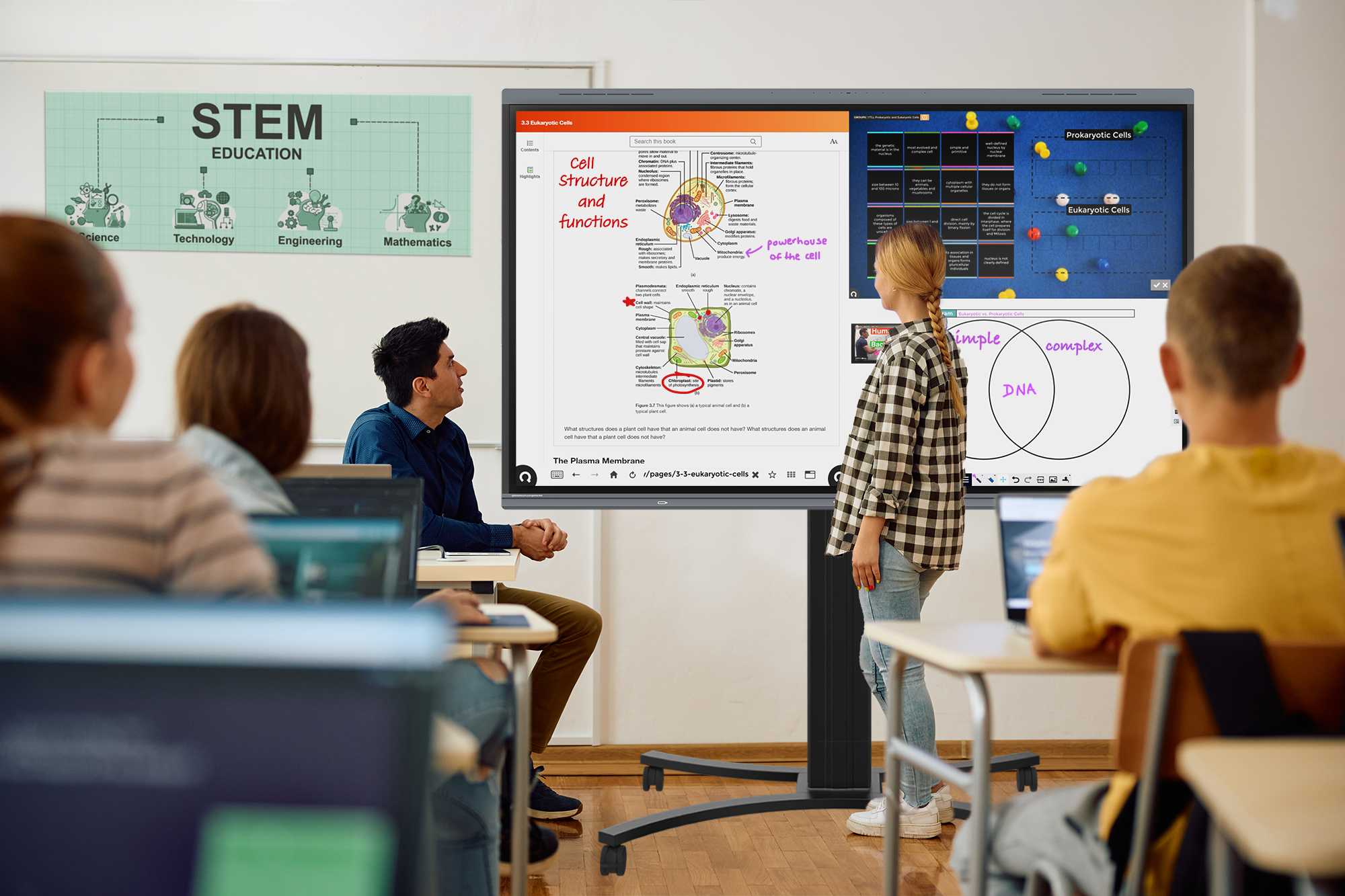
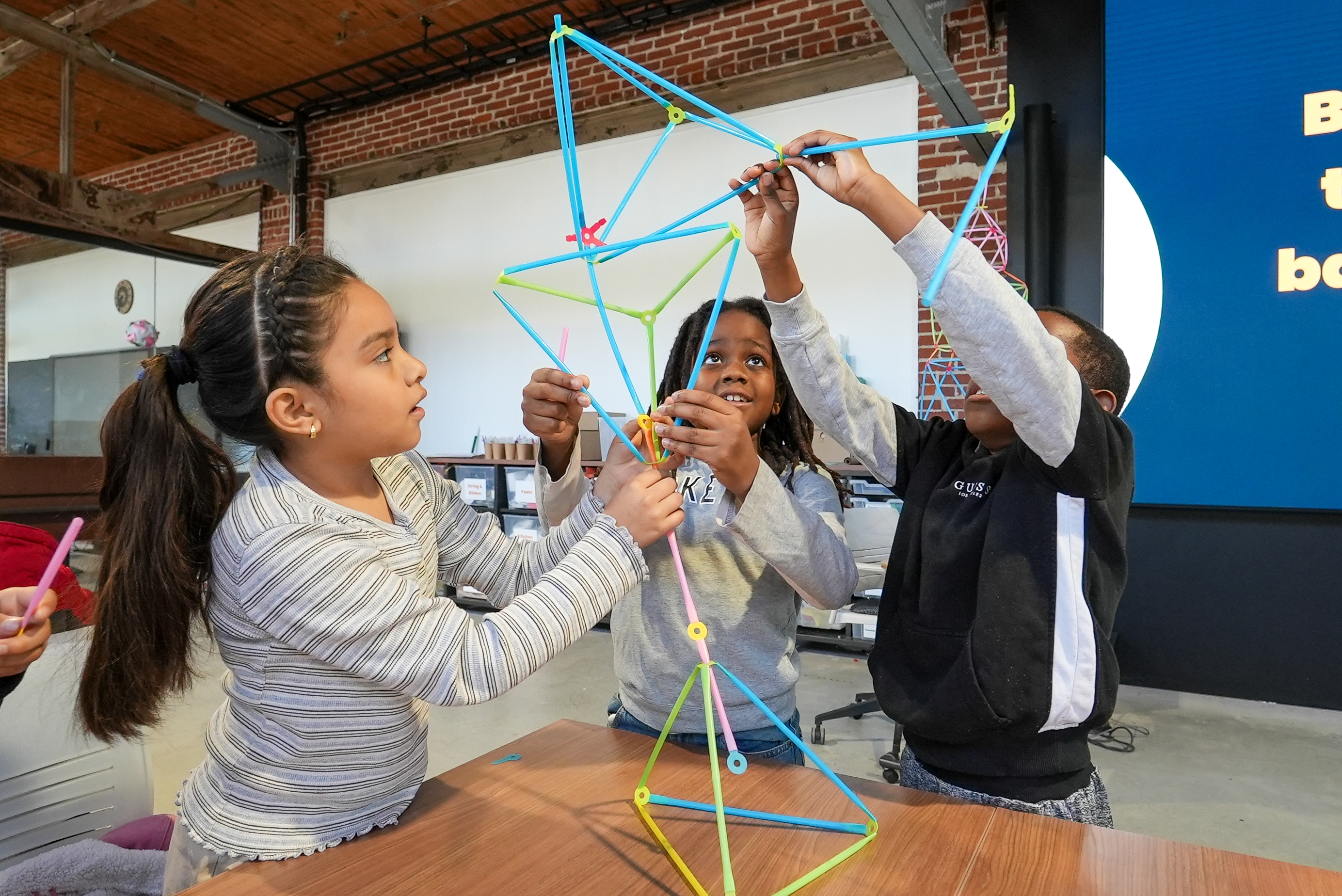
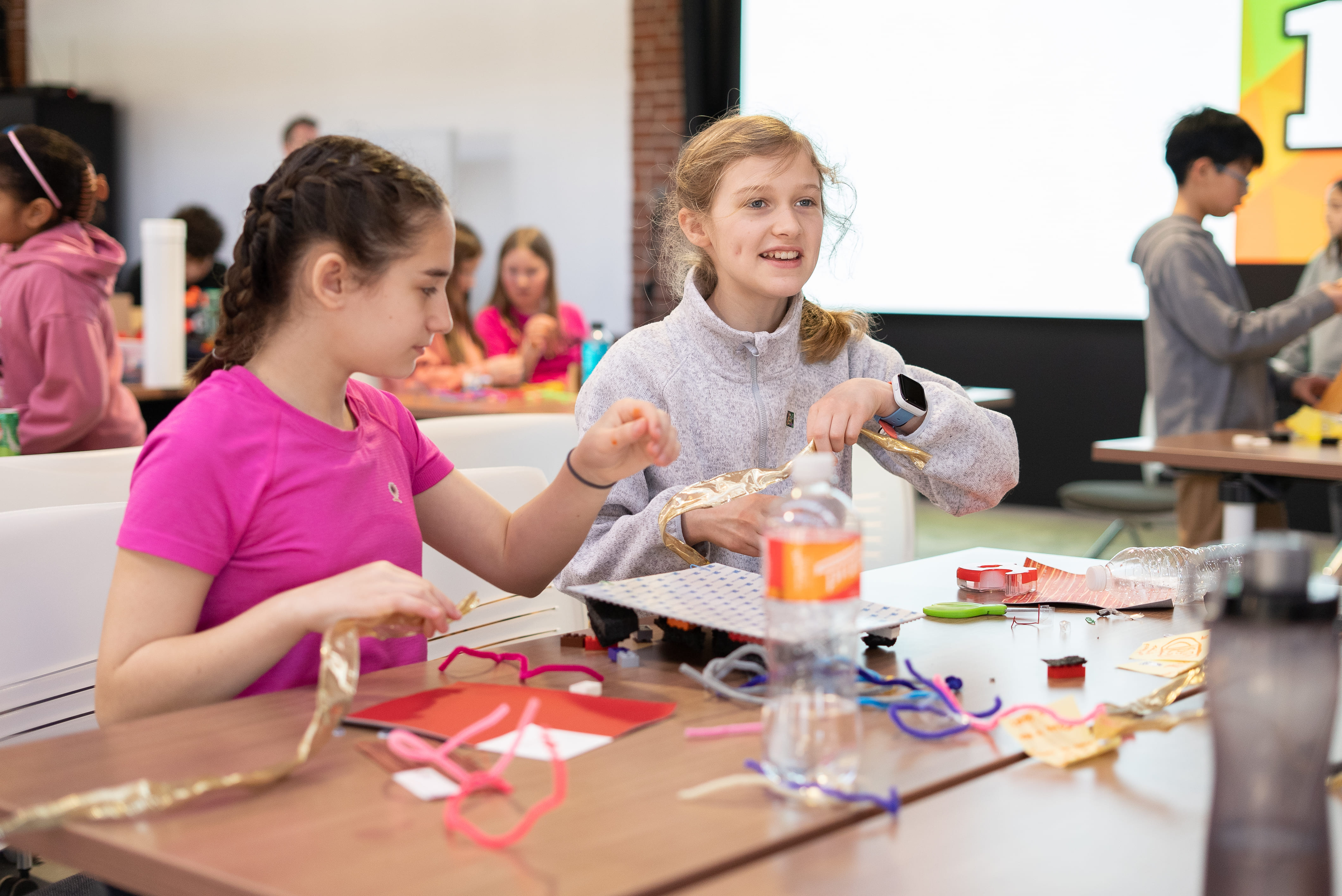
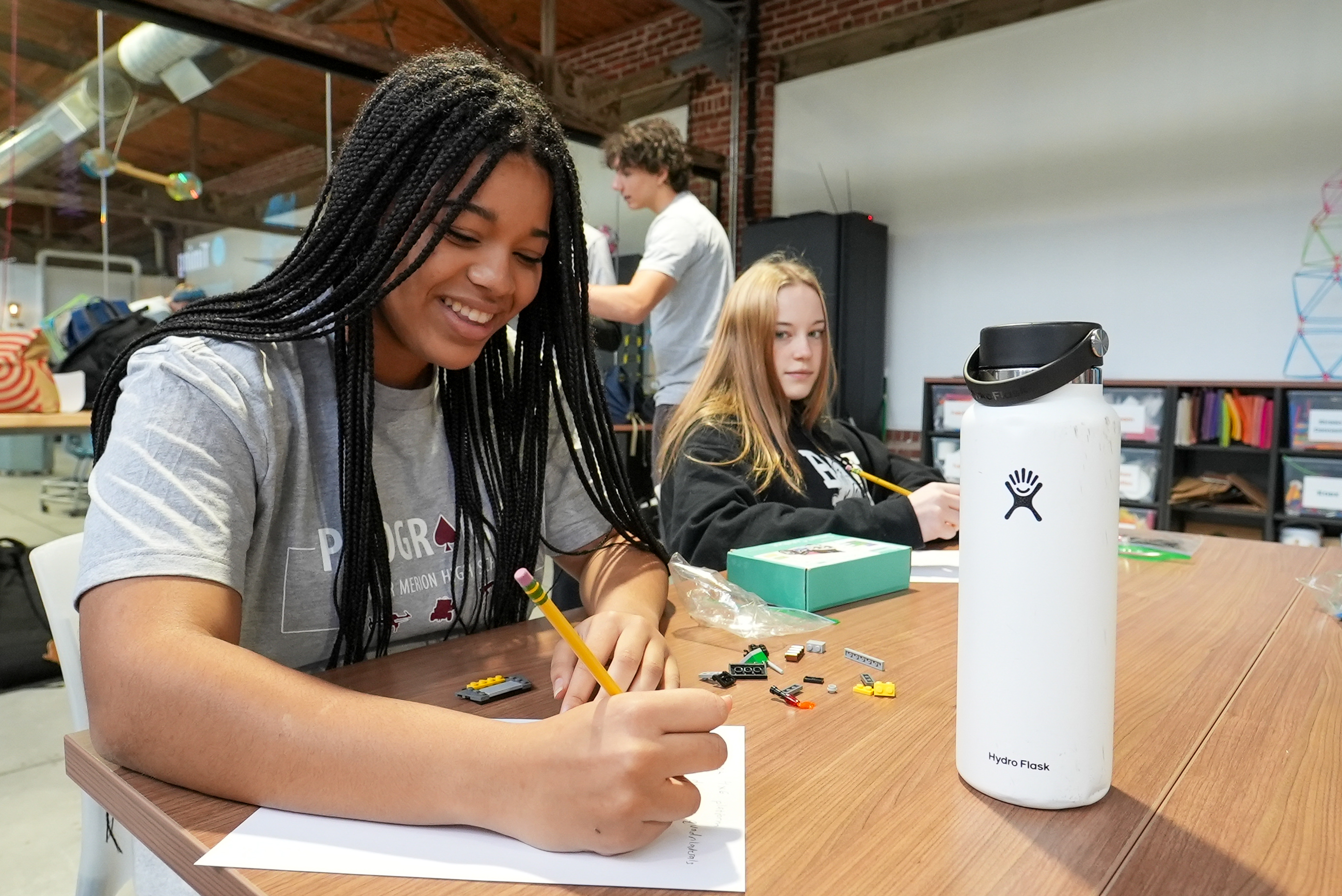
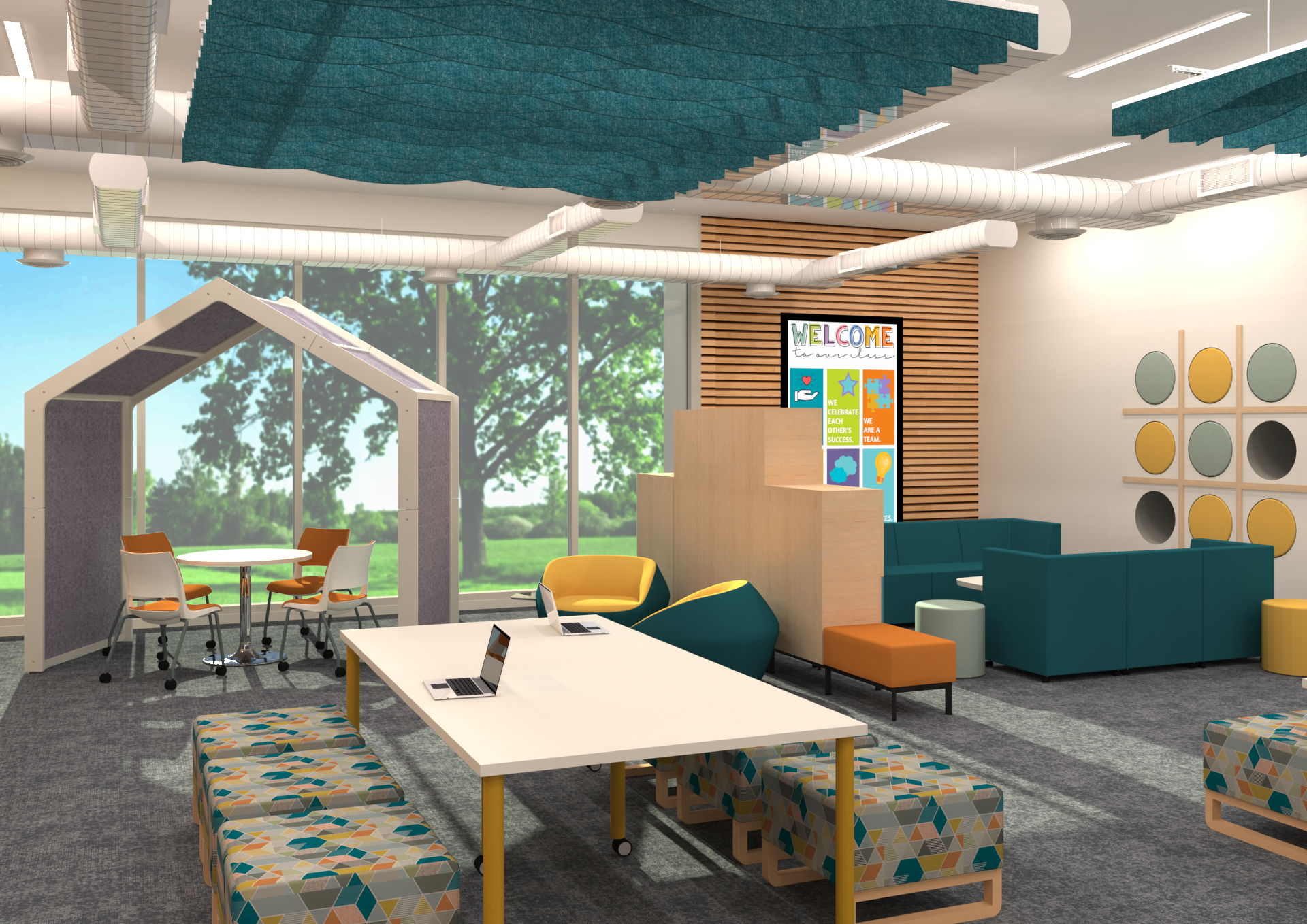
Across districts, this understanding is beginning to take form through more intentional design. Flexible classrooms allow students to shift between collaboration and focus, supporting different learning styles while reinforcing a sense of autonomy. Collaborative spaces encourage interaction that feels natural rather than forced, helping students experience learning as something shared. Hands-on environments (makerspaces, labs, and project-based classrooms) invite students to engage directly, creating moments that are difficult to replicate on a screen.
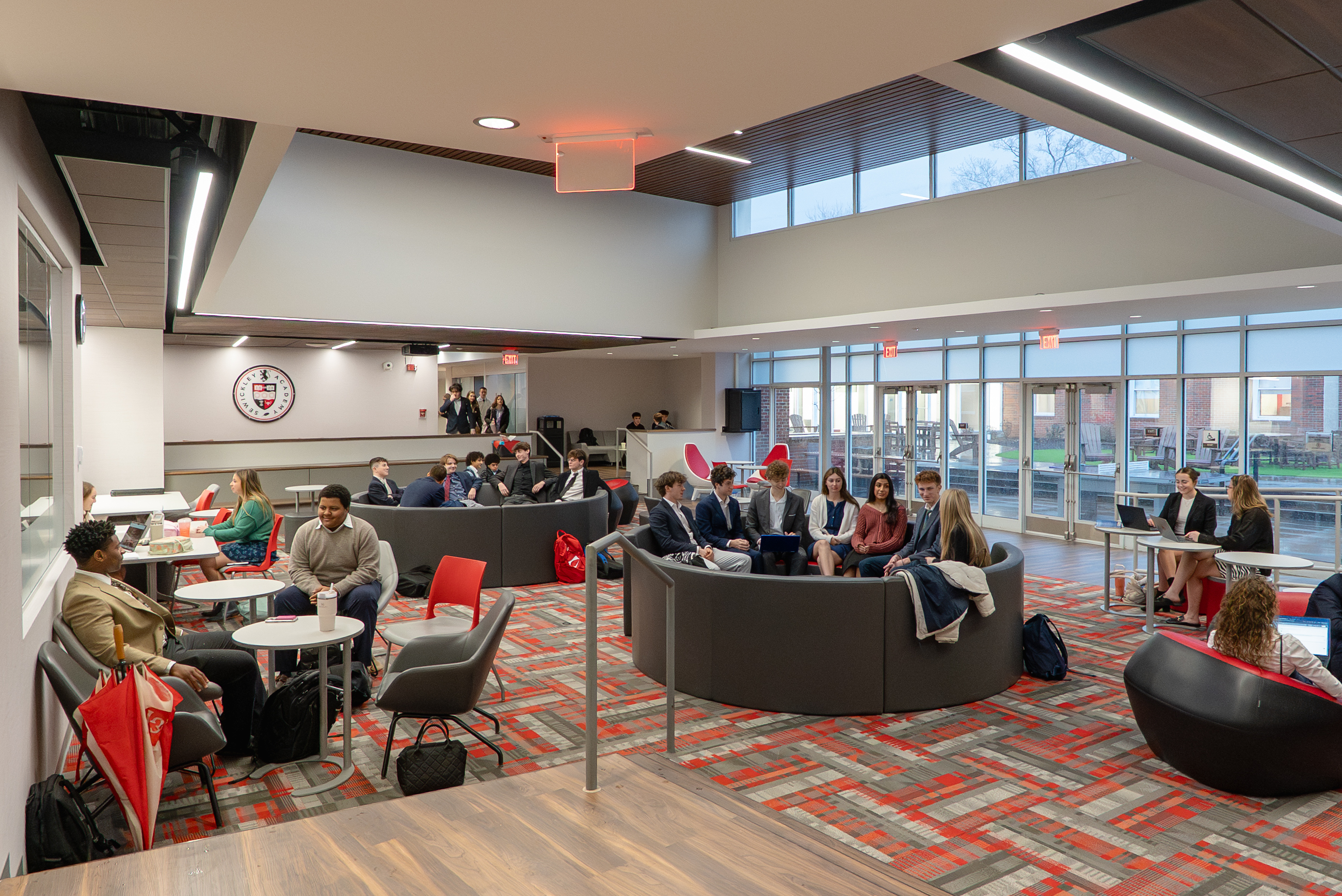
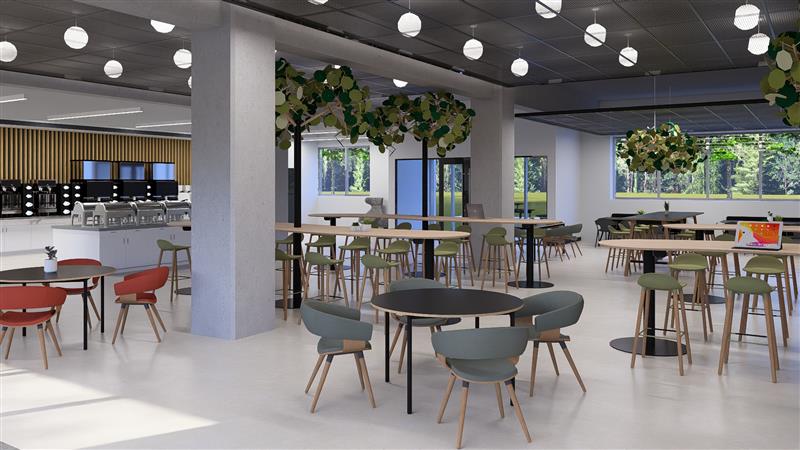
Just as important are the informal spaces in between: commons, media centers, and breakout areas where relationships develop and school identity takes shape. Guidance from the International WELL Building Institute and insights from EdResearch for Action: Strengthening School Connectedness to Increase Student Success continue to reinforce the connection between physical space, well-being, and student success.
Seen through this lens, the role of the physical school becomes clearer. The goal is not to compete with cyber learning, but to offer something different. Where virtual environments provide flexibility, in-person schools offer connection, shared experience, and community. These are the qualities that draw students in, and the ones that encourage them to stay.
For district leaders and designers, the opportunity lies in making that difference tangible: creating environments that feel engaging, supportive, and meaningful from the moment a student walks through the door. Because when schools are designed with intention, when they prioritize belonging as much as instruction, they do more than bring students back: they give them a reason to remain.



.jpg)