Making More of the Campus You Have
Colleges and Universities have a lot invested in their campuses and often face pressure to get the most out of every space. But not every area is being used to its full potential. Empty classrooms, outdated lounges and spaces that no longer meet students' needs often go unutilized. As student needs and expectations change, schools have the opportunity to take a look at how their spaces are being used, what purpose they serve, and how flexible furniture can help make them more functional and adaptable.
1. Looking Beyond Square Footage
Before considering new construction on campus, it is important to evaluate how effective existing spaces on campus are. According to a 2026 Inside Higher Ed Research Survey, 43% of institutions regularly use more than three-quarters of their physical space, highlighting an opportunity to rethink how already existing environments are being used.
Underutilized spaces may not be physically empty; they may be outdated, inefficient, or no longer contribute to a student's experience on campus. Libraries, common areas, administrative offices, and traditional classrooms are all potential starting points for evaluating use and productivity on campus. Research from Occuspace found that classrooms sit unoccupied 31% of the time during typical operating hours, Monday through Thursday from 8 am to 5 pm. This finding demonstrates an opportunity for colleges and universities to make better use of their already existing square footage and repurpose unused areas.
2. Designing for the Student Experience
Spaces on campus provide much more to a student than a place to learn. Students want a place where they can feel connected and like they belong. The most important spaces on campus are ones where students can connect with others, participate in student life, feel safe, and access resources.
An article by Carnegie Higher Ed highlights the influence campus environments can have on the student experience, stating “belonging cannot be created by a building. But campus spaces can make belonging easier or harder to experience."
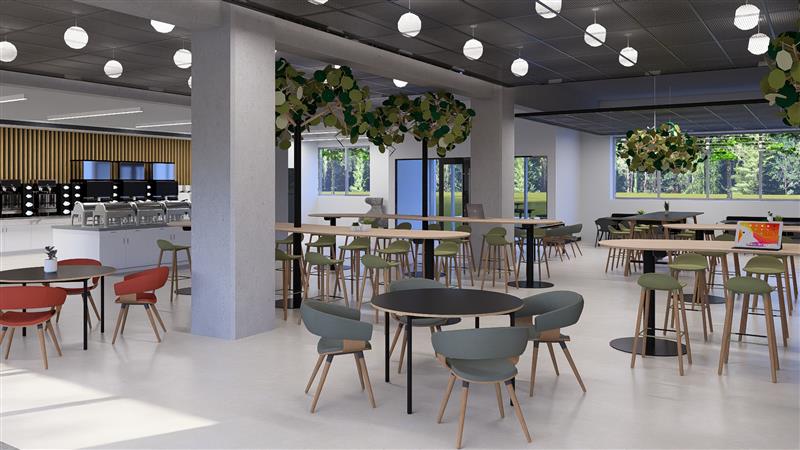
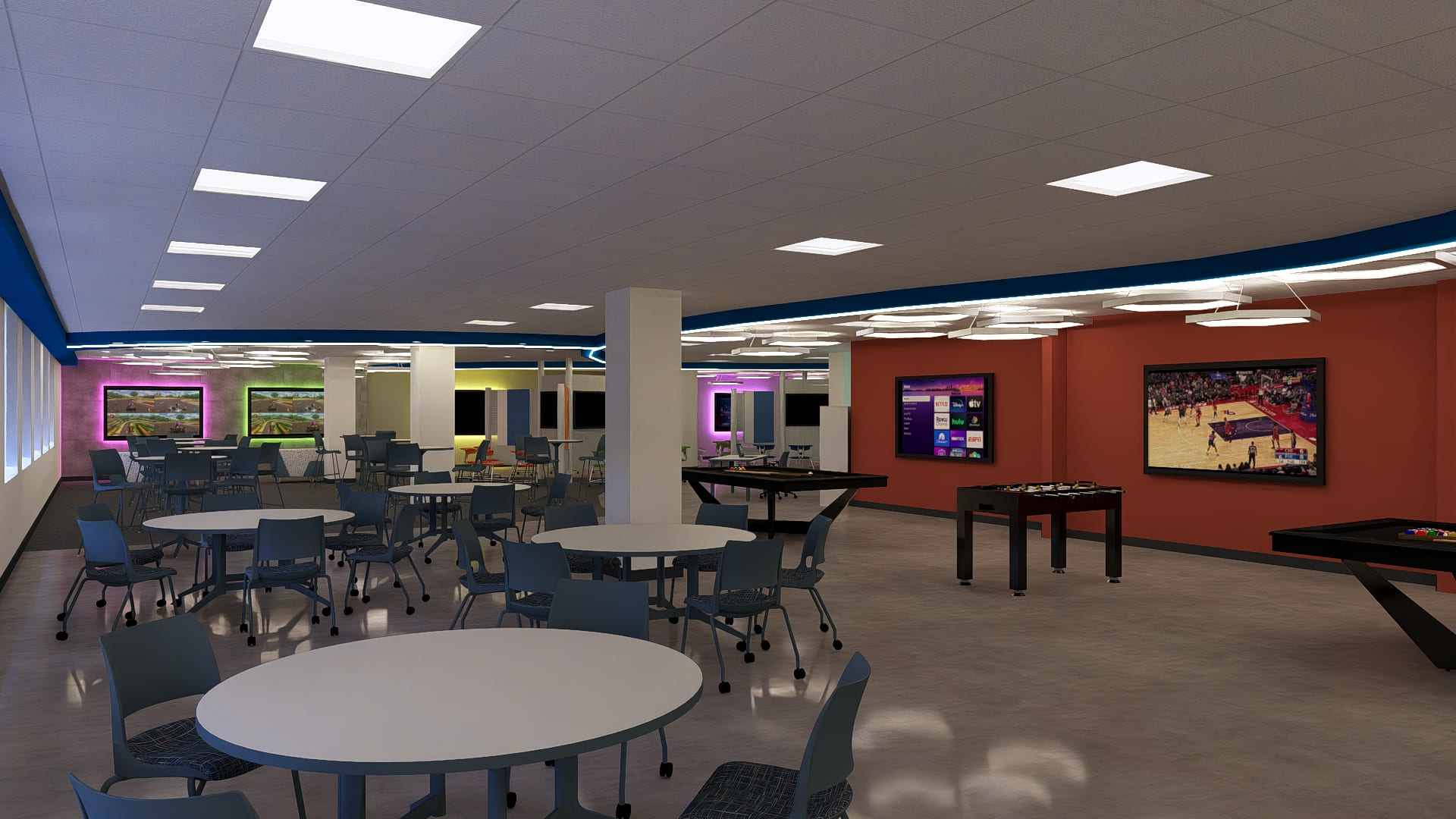
Informal learning spaces and third spaces are where students seek this sense of connection. Lounges and student common areas, libraries that offer collaborative areas and study areas, and recreational spaces can all encourage interaction, shared experiences and relationships beyond the classroom. These environments give students a place to connect with their peers, engage in campus life, and develop a strong sense of belonging on campus.
3. Furnish for Flexibility and Function
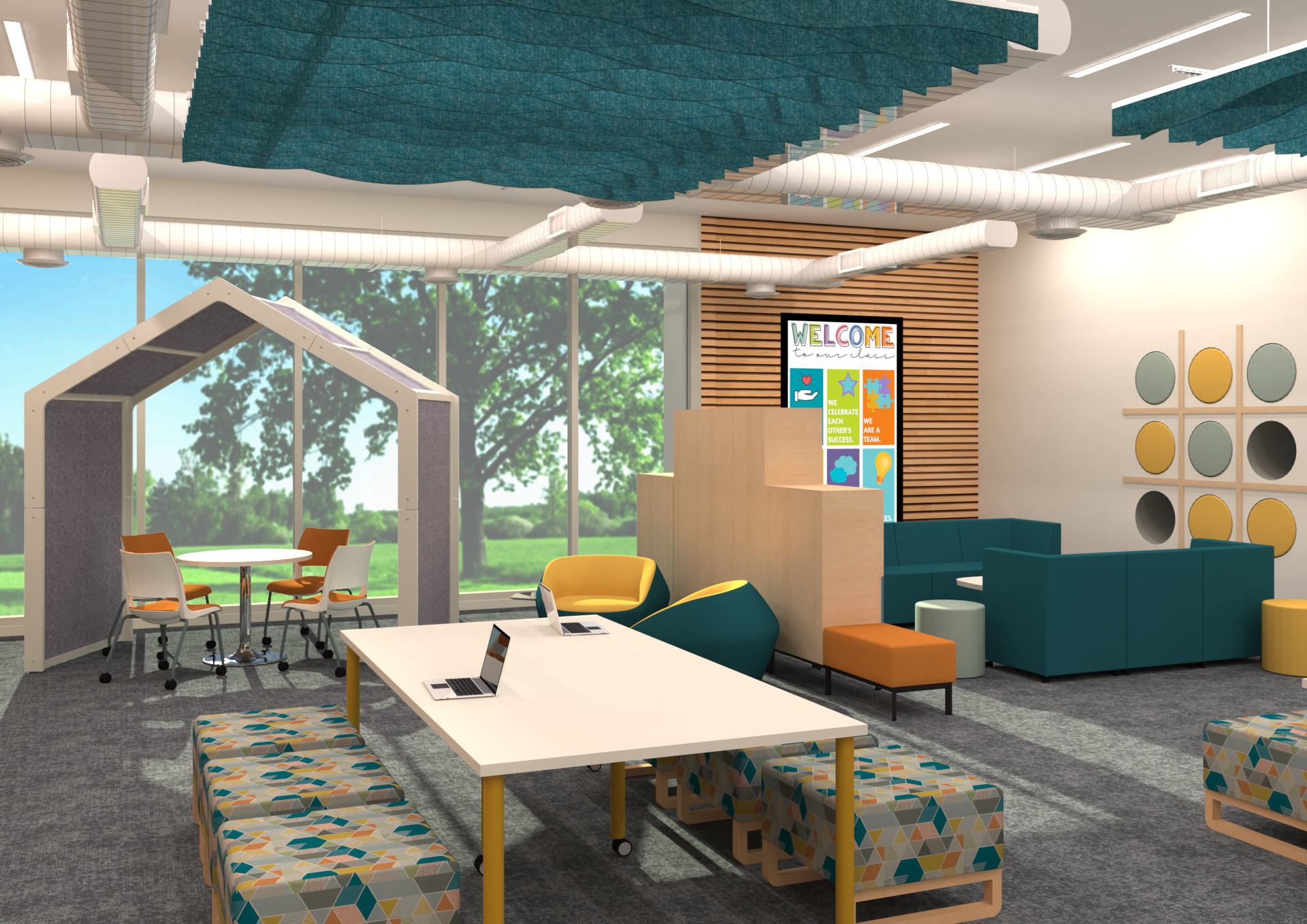
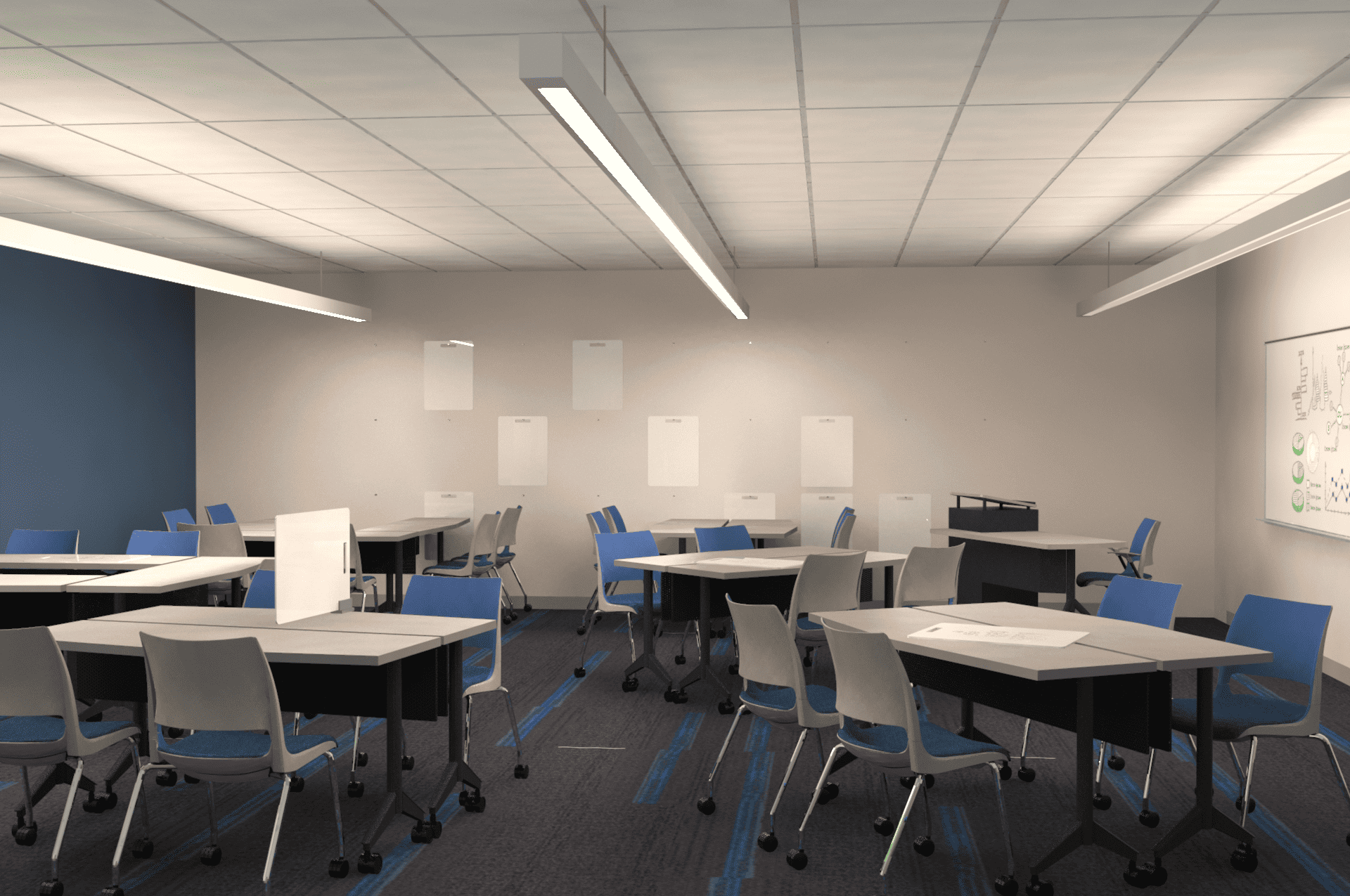
Repurposing a space doesn’t require high investment or a complete renovation. Many factors can contribute to repurposing, like furniture selection, room layout, and the intention of the space. Flexible furniture allows schools to get more out of their underutilized spaces by creating environments that serve multiple purposes.
Additions like mobile tables and modular seating allow students to use space in multiple ways. An area intended as an individual study area may welcome group collaboration, small meetings or study groups at a different time. Incorporating accessible power and integrated technology can also be important for student flexibility with the way they learn and work. Thinking about how furniture and layouts work together, colleges and universities can refresh any area to be an exciting new spot for students.

Making the most of campus space comes down to understanding how students use the space and what they need from the environment. By rethinking existing spaces, prioritizing student experience and incorporating flexible furniture, colleges and universities can create more functional, welcoming environments to serve all students.