Where Belonging Begins: Creating Spaces That Support Social Emotional Learning in Classrooms
There are elements of a learning space that we simply cannot touch: the bond of a classroom community, the excitement of a new school year, the unwavering support of staff with students, and the friendships that shape a student’s journey. These intangible moments extend far beyond the K12 years, leaving lasting impressions that echo into adulthood. They become part of the memories and connections that define how we look back on our individual education experience.
The physical spaces where students learn play an active role in shaping these experiences. Classrooms and schools can greatly influence confidence, creativity, emotional well-being, and the way students connect with themselves and the world around them. When learning environments are thoughtfully designed, they become more than simply places where lessons occur: they become an active participant where students feel safe taking risks, building relationships, expressing themselves, and discovering their full potential. In this way, the physical environment can directly influence the inward experience of a student.
This is the heart of Social Emotional Learning (SEL). By helping students develop essential life skills like managing emotions, showing empathy, building healthy relationships, and making responsible decisions, SEL supports student success both inside and outside the classroom.
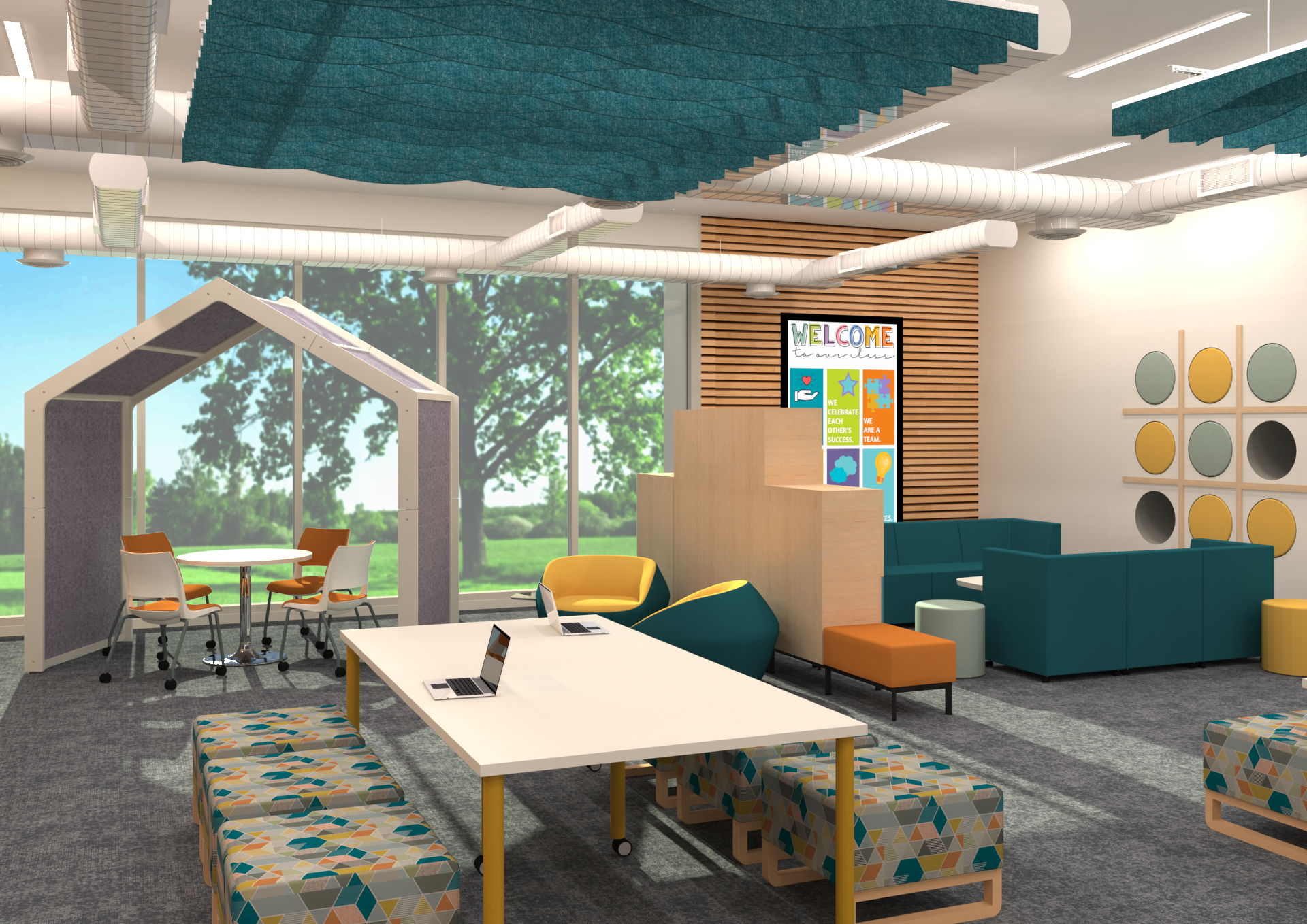
Through flexible furnishings and purposeful design, schools can create environments that nurture the whole student. Every corner, from a quiet reading nook that offers a moment of reflection, to a collaborative gathering space that sparks connection, can play a role in helping Social Emotional Learning flourish.
According to the Collaborative for Academic, Social, and Emotional Learning (CASEL), Social Emotional Learning focuses on five core competencies. Here is how intentional learning space design can help bring each one to life.
1. Flexible Spaces That Build Relationship Skills
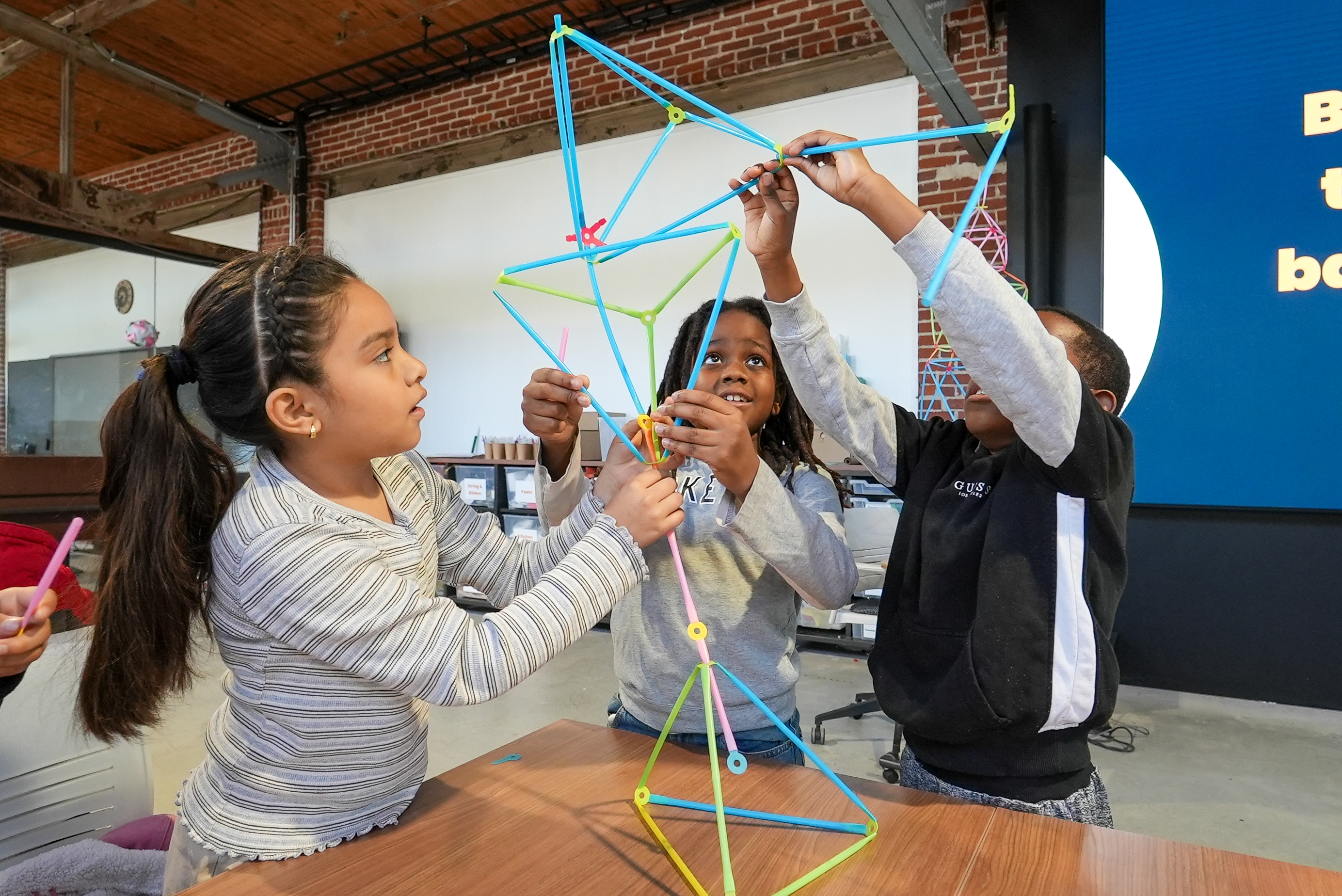
Movable tables, mobile seating, and adaptable furniture make it easy for students to collaborate, solve problems, and work together in different group sizes. Whether students are participating in team projects, peer discussions, or independent learning, flexible environments encourage communication, cooperation, and relationship building.
Creating spaces that adapt to different teaching styles and learning activities helps students practice teamwork while giving educators greater flexibility throughout the school day.
2. Calming Environments That Encourage Self-Management
The physical environment has a significant impact on how students feel. Soft, calming color palettes, comfortable seating, acoustic materials, and sensory friendly design elements help create spaces where students can regulate emotions and recharge when they feel overwhelmed.
Dedicated quiet areas or wellness corners provide students with opportunities to pause, reset, and return to learning with renewed focus. Natural textures, warm finishes, and thoughtful material selections further contribute to a sense of calm throughout the school.
3. Inclusive Designs That Foster Social Awareness
Learning environments should make every student feel welcome and valued. Adjustable furniture, accessible seating options, and spaces designed for diverse learning needs promote inclusion while encouraging empathy and respect for others.
Schools can further strengthen social awareness by incorporating gathering spaces that celebrate collaboration, encourage conversation, and support a wide range of learning styles and abilities.
4. Nature Inspired Spaces That Promote Self-Awareness
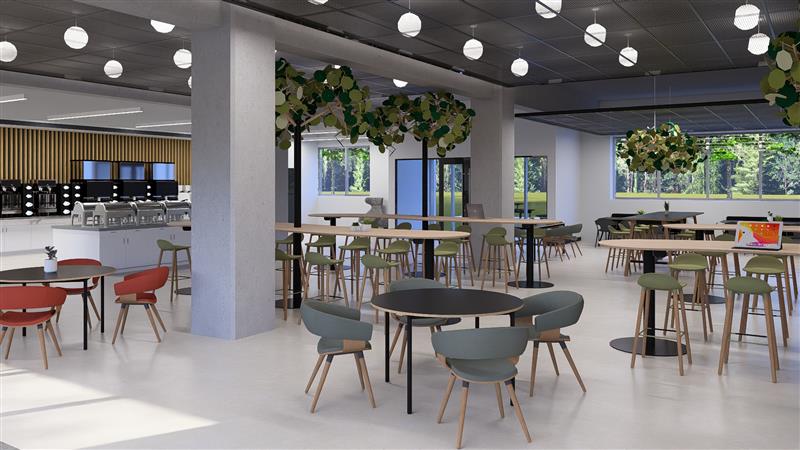
Access to natural light, biophilic design elements, and quiet reflection areas can help students better understand and manage their emotions. Incorporating plants, wood tones, calming colors, and peaceful retreat spaces creates environments that encourage mindfulness and self-reflection.
These restorative spaces offer students moments of calm during busy school days while supporting emotional resilience and overall well-being.
5. Purposeful Learning Zones That Support Responsible Decision Making
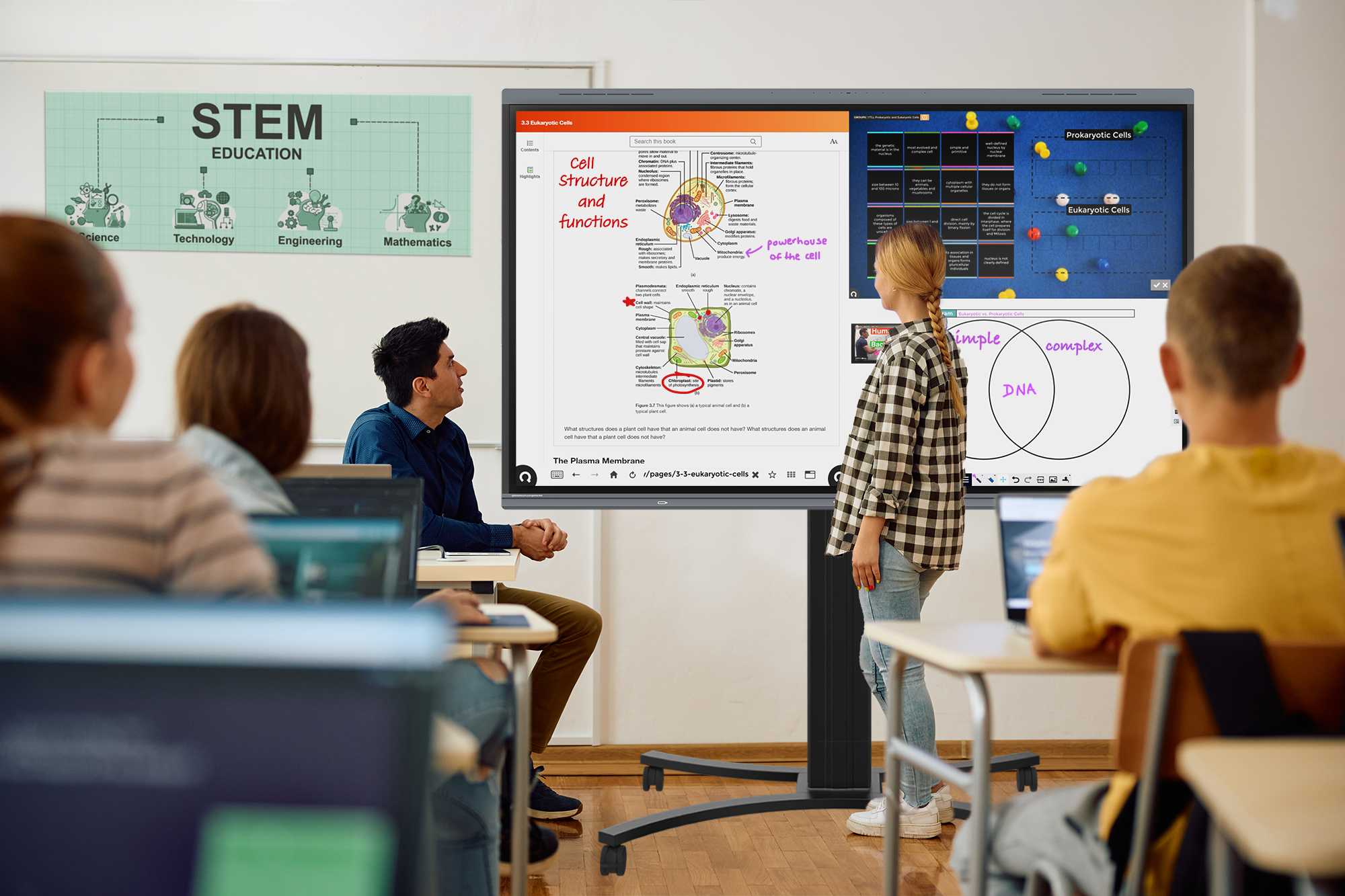
Clearly defined activity zones help students understand how different spaces are intended to be used. Collaborative areas, makerspaces, presentation zones, and technology enabled learning environments encourage students to think critically, solve problems, and make thoughtful decisions.
By giving students opportunities to choose how and where they learn, schools foster independence, responsibility, and confidence.
Designing Schools Where Students Thrive
The most meaningful learning environments do more than support lessons - they support the needs of the whole student by providing places to connect, reflect, create, and grow.
.jpg)